For most people, a house is the largest purchase they’ll ever make, so it’s worth knowing what you can comfortably afford before you start shopping, not after. That’s especially true in 2026, with home prices and mortgage rates both running high. People Driven Credit Union offers several mortgage options for a range of incomes and budgets, but the right one starts with an honest look at the full cost of homeownership. Here’s how to work that out.

The Big One: Price
Price is the factor almost everyone starts with, and for good reason: it sets the ceiling for everything else.
The trap some people get caught in, however, is reading the sticker price of a house in isolation. A $500,000 home might be within reach on paper, but if the monthly payment swallows most of your income, you’re left with little for savings, travel, or the things you enjoy. A $400,000 home that leaves room to breathe is often the better, safer purchase. Weigh the price of a home against the life you want to keep living, not just against your salary.
Mapping Out Your Timeline
People Driven Credit Union offers fixed-rate mortgages through Freddie Mac and Fannie Mae in 15-, 20-, and 30-year terms. The longer the term, the lower your monthly payment will be, but the more interest you will pay over the life of the loan.
Which way to lean depends on your plans for the home. If it’s a starter home you expect to outgrow as your career or family grows, a longer term keeps your monthly payment low while you’re there, and you’ll likely sell before the extra lifetime interest catches up with you. If it’s a home you plan to stay in, a shorter term costs more each month but pays the loan off faster, so you own it outright sooner.
How Much to Put Down
How much you can put down on a home shapes the rest of your options. A larger down payment lets you either buy a more expensive home or take a smaller loan with lower payments and less interest on a more modest one. If you have a meaningful amount saved, it’s worth deciding which of those matters more to you.
The loan type matters, too. People Driven Credit Union’s standard Freddie Mac and Fannie Mae mortgages typically ask for 3% to 20% down, with the exact figure depending on your wider financial picture.
Even if a down payment isn’t currently realistic, that doesn’t rule out buying. People Driven Credit Union serves members across a range of financial situations, including through our Zero Down Purchase Program, which opens a path to a home loan for buyers without the means to make a down payment.
Checking the Credit Score
As with most loans, a stronger credit score earns you better mortgage terms, but there are options for buyers with less-than-perfect credit. Home Possible and Home Ready offer competitive rates, more flexible credit requirements, and work for a range of property types, such as single-family homes, condos, and multi-unit buildings. FHA loans, backed by the federal government through the Federal Housing Administration, are another route; like those programs, they’re more flexible on credit and rates to keep homebuying within reach for lower-income buyers.
Other Financial Obligations
Your mortgage doesn’t exist in isolation. Car payments, student loans, and credit card balances are all monthly obligations that sit alongside a mortgage payment, and a lender weighs them together as your debt-to-income (DTI) ratio. A house that looks affordable against your income alone can stretch thin once those other payments are in the picture, so factor them in before you settle on a number.
Comparing All of the Factors
These factors don’t work in isolation. Price sets your starting point, but your down payment and loan term decide what that price actually costs you month to month.
A bigger down payment shrinks the loan, which lowers both your monthly payment and the total interest you’ll pay. A longer term lowers the monthly payment too, but spreads the interest across more years; a shorter term flips that, with a higher payment now and less interest overall. Combine those choices and the same house can land at very different monthly numbers. Two buyers of the identical home can end up hundreds of dollars apart.
The takeaway is that the price alone won’t tell you what you can afford. Before you settle on a number, model your down payment and term together so you’re budgeting for the payment you’ll actually be making.
Your Mortgage Starts Here
Questions about mortgages, refinancing, or your next home purchase?
Reach Out to People Driven Credit Union Today
Whether you’ve already settled on the terms that work for you or you’re still weighing what fits your situation, People Driven Credit Union can help you sort it out. With more than a dozen mortgage options and experienced mortgage loan officers, we can help you find the one that matches your budget and your plans. To get started, fill out the form on our website for a personalized mortgage quote.
For personalized mortgage assistance, connect with Michelle Dzon, authorized to act as an agent on behalf of People Driven Credit Union:
Meet Our Mortgage Loan Officer
Michelle Dzon is authorized to act as an agent on behalf of People Driven Credit Union. Contact her for personalized assistance with your mortgage needs.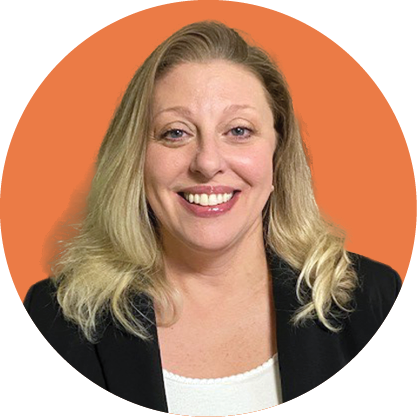
Michelle Dzon
Member First Mortgage, LLC (MFM)michelle.dzon@memberfirstmortgage.com
Connect with Michelle
616-301-1714 | NMLS ID: #401292 | People Driven Credit Union NMLS ID: #776727

Frequently Asked Questions
You’ll generally need documents that verify your identity, income, assets, employment, and insurance. Having them ready ahead of time keeps your application moving.
The Zero Down Purchase Program is open to both first-time and repeat homebuyers purchasing a primary residence in Michigan. Terms vary based on credit history, debt-to-income ratio, and property eligibility.
FHA eligibility generally depends on your credit score, income, debt-to-income ratio, and how much you can afford to put down on a house. The loans are aimed at low-to-moderate-income buyers and those with less-than-perfect credit.
PMI protects the lender if a borrower stops making payments on a conventional mortgage on their house, and it’s typically required when you put down less than 20%. It adds to your monthly cost, but it can also let you qualify for a mortgage sooner than waiting to save a full 20% would. In most cases, you can ask to drop PMI once your loan balance reaches 80% of the home’s original value; and it’s automatically removed at 78%, as long as your payments are current.