FHA Mortgage Loans
Buying a home is a significant milestone, and at People Driven Credit Union, we’re committed to helping you achieve your dream of homeownership. Our FHA Mortgage Loans offer flexible terms and lower down payment options, making it easier for you to purchase your first home or refinance your existing mortgage. An FHA Mortgage Loan is a government-backed loan insured by the Federal Housing Administration (FHA). Designed to help low-to-moderate-income borrowers, these loans are particularly beneficial for first-time homebuyers or those with less-than-perfect credit.
Membership eligibility requirements apply, with approval subject to application, credit, and property considerations.
Benefits of an FHA Mortgage Loan
Lower Down Payment: With an FHA loan, you can put down as little as 3.5% of the purchase price, making homeownership more accessible.
Flexible Credit Requirements: FHA loans are designed to help borrowers with lower credit scores. Even if your credit history isn’t perfect, you may still qualify.
Competitive Interest Rates: Benefit from interest rates that are often lower than those available with conventional loans.
Assumable Loan: FHA loans can be transferred to a new buyer, which can be a significant selling point if you decide to move.
Refinancing Options: FHA loans offer streamlined refinancing options, allowing you to reduce your interest rate or adjust your loan term with less hassle.
Why Choose People Driven Credit Union for Your FHA Loan?
At People Driven Credit Union, we understand that every homebuyer’s situation is unique. Our team of experienced mortgage specialists is dedicated to providing personalized service to help you find the best mortgage solution for your needs.
Expert Guidance: Our mortgage specialists have extensive knowledge of FHA loan requirements and will guide you through every step of the application process.
Member Focused: As a member-owned credit union, we prioritize your best interests and strive to offer competitive rates and low fees.
Local Market Knowledge: We have a deep understanding of the local housing market and can offer valuable insights to help you make informed decisions.
How an FHA Mortgage Loan works
An FHA Mortgage Loan is a government-insured mortgage. The Federal Housing Administration does not lend money directly to borrowers. Instead, FHA insures the loan, which can help approved lenders offer mortgage options with lower down payment requirements and more flexible qualification guidelines.
Your eligibility depends on several factors, including credit profile, income, debt-to-income ratio, down payment, property type, occupancy, and FHA loan limits for the county where the property is located.
Best for
An FHA Mortgage Loan may be a good fit if you want a low down payment mortgage option and meet FHA program requirements.
- First-time homebuyers
- Repeat buyers who meet FHA requirements
- Borrowers with a smaller down payment
- Borrowers with less-than-perfect credit
- Buyers purchasing a primary residence
- Borrowers comparing FHA and conventional mortgage options
- Homeowners considering certain FHA refinance options
Loan details
Here is a quick look at how an FHA Mortgage Loan works.
| Feature | FHA Mortgage Loan |
|---|---|
| Program type | Government-insured mortgage backed by the Federal Housing Administration |
| Down payment | As low as 3.5% for eligible borrowers |
| Credit guidelines | More flexible than some conventional mortgage options |
| Occupancy | Primary residence requirements apply |
| Property types | Eligible 1 to 4 unit properties may qualify, subject to FHA and underwriting requirements |
| Loan limits | FHA loan limits vary by county and property type |
| Mortgage insurance | FHA mortgage insurance premiums may apply |
| Approval | Subject to credit approval, property approval, income verification, and underwriting requirements |
| Membership | Membership and eligibility requirements apply |
FHA loan limits and property eligibility
FHA loan limits vary by county and property type. The maximum loan amount may be different depending on where the home is located and whether the property has 1, 2, 3, or 4 units.
The property must meet FHA requirements and be approved through the mortgage process. A mortgage loan officer can help you review property eligibility before you move forward.
Down payment and funding options
FHA loans are known for lower down payment options. Eligible borrowers may be able to buy a home with as little as 3.5% down.
Your down payment may come from eligible sources, which can include personal savings, gift funds, or approved assistance programs. A mortgage loan officer can help you review which funding sources may be available for your situation.
FHA mortgage insurance
FHA loans require mortgage insurance premiums, often called MIP. This is different from private mortgage insurance, or PMI, which is used with many conventional loans.
FHA mortgage insurance may include an upfront premium and an annual premium paid as part of your monthly mortgage payment. Your actual mortgage insurance cost depends on your loan amount, term, down payment, and FHA program guidelines.
FHA Mortgage vs. Conventional Mortgage
FHA and conventional mortgages can both help you buy a home, but they are designed for different borrower situations.
| Mortgage Option | Best For | What to Know | Learn More |
|---|---|---|---|
| FHA Mortgage Loan | Eligible borrowers who want a lower down payment and more flexible credit guidelines | FHA mortgage insurance premiums apply. You’re viewing this option. | You’re viewing this option |
| Fannie Mae Fixed Rate Mortgage | Borrowers comparing conventional fixed-rate mortgage options | Private mortgage insurance may apply if the down payment is less than 20%. | View Fannie Mae Fixed Rate Mortgage |
| Freddie Mac Fixed Rate Mortgage | Borrowers who want a conventional fixed-rate mortgage with predictable principal and interest payments | Down payment, PMI, and underwriting requirements vary by borrower and program. | View Freddie Mac Fixed Rate Mortgage |
| HomeReady® Mortgage | Eligible borrowers who want a low down payment conventional mortgage option | Income limits, property requirements, and underwriting guidelines apply. | View HomeReady® Mortgage Loans |
| Home Possible® Mortgage | Eligible low-to-moderate income borrowers who want a low down payment conventional mortgage option | Income limits and property requirements apply. | View Home Possible® Mortgage Loans |
Buying a home that needs repairs?
Some FHA programs may help eligible borrowers finance the purchase or refinance of a home along with certain repairs or improvements. FHA 203(k) options have specific property, repair, contractor, escrow, and underwriting requirements.
If you are considering a home that needs work, talk with a mortgage loan officer before making an offer. They can help you review whether an FHA option may fit your situation.
Meet Our Mortgage Loan Officer
Michelle Dzon is authorized to act as an agent on behalf of People Driven Credit Union. Contact her for personalized assistance with your mortgage needs.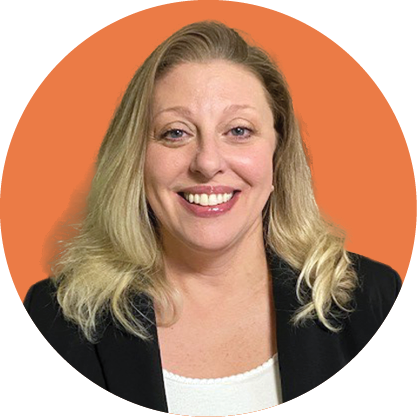
Michelle Dzon
Member First Mortgage, LLC (MFM)michelle.dzon@memberfirstmortgage.com
Connect with Michelle
616-301-1714 | NMLS ID: #401292 | People Driven Credit Union NMLS ID: #776727

Documents you may need
When you apply for a mortgage, you may need documents that help verify your identity, income, assets, employment, and insurance information.
- Driver’s license or state-issued ID
- Most recent 30 days of pay stubs
- Last 2 years of W-2 forms
- Last 2 years of federal tax returns, if requested
- Most recent 2 months of bank statements, including all pages
- Documentation for gift funds or down payment assistance, if used
- Contact information for your homeowner’s insurance agent, if applicable
Additional documentation may be requested based on your loan type, income, property, or financial situation.
Membership and mortgage eligibility
FHA Mortgage Loans are available to qualifying People Driven Credit Union members. Membership is open to those who live, work, worship, or attend school in Michigan, plus relatives of current members.
A $5 Membership Share Savings deposit establishes membership. Membership and eligibility requirements apply. Mortgage approval is subject to credit approval, property approval, income verification, and underwriting requirements.
People Driven Credit Union is an Equal Housing Opportunity Lender. NMLS #776727.
Frequently asked questions
Meet Our PDCU Mortgage Specialist
Michelle Dzon is authorized to act as an agent on behalf of People Driven Credit Union. Contact her for personalized assistance with your mortgage needs.
Michelle Dzon
Member First Mortgage
michelle.dzon@memberfirstmortgage.com
616-301-1714 | NMLS ID: #401292
- Lower Down Payment: FHA loans allow for a down payment as low as 3.5% of the purchase price.
- Flexible Credit Requirements: Borrowers with lower credit scores may still qualify for an FHA loan.
- Competitive Interest Rates: FHA loans often offer lower interest rates compared to conventional loans.
- Assumable Loan: The loan can be transferred to a new buyer if you decide to sell your home.
- Refinancing Options: Streamlined refinancing options are available to reduce your interest rate or adjust your loan term.
Michelle Dzon
Member First Mortgage
michelle.dzon@memberfirstmortgage.com
616-301-1714 | NMLS ID: #401292
Private mortgage insurance, or PMI, is insurance that helps protect the lender if a borrower stops making payments on a conventional mortgage loan. PMI is typically required when your down payment is less than 20% of the home’s purchase price or original value.
When PMI is usually required
PMI is most commonly required on a conventional mortgage when you put less than 20% down. It increases the cost of the loan, but it may also help you qualify for a mortgage sooner if you do not have a larger down payment.
When PMI may be removed
In many cases, you can ask to remove PMI once your loan balance reaches 80% of the home’s original value and you meet the lender’s requirements. In general, PMI is automatically terminated when your loan balance is scheduled to reach 78% of the home’s original value, as long as your loan is current.
Need help?
If you have questions about PMI or your mortgage options, connect with a mortgage loan officer for personalized guidance.
An NMLS ID is a unique identification number assigned to mortgage loan originators and mortgage lending institutions through the Nationwide Multistate Licensing System & Registry. It helps identify the person or company handling your mortgage and supports transparency in the mortgage process.
Why it matters
An NMLS ID allows consumers to verify the identity and licensing information of a mortgage professional or lender. It can also help you confirm who you are working with when you review mortgage advertisements, emails, disclosures, and loan documents.
Where you may see it
You may see an NMLS ID on mortgage websites, marketing materials, email signatures, loan paperwork, and other mortgage-related communications. If you want to look up a mortgage professional or lender, you can search the NMLS Consumer Access website.
Need help?
If you have questions about an NMLS ID or want help identifying the mortgage professional working with you, call 844-700-7328 during business hours.
When you apply for a mortgage with People Driven Credit Union, you will generally need documents that help verify your identity, income, assets, employment, and insurance information. Having these items ready can help move your application along more smoothly.
Documents you may need for a PDCU mortgage application
- Copy of your driver’s license or state-issued ID, to verify your identity and legal name
- Last 2 years of W-2 forms, to review your employment history and income consistency
- Most recent 30 days of pay stubs, to confirm your current income
- Last 2 years of federal tax returns, including all schedules, to help review your full financial picture
- Most recent 2 months of bank statements, including all pages, to verify assets, down payment funds, and available reserves
- Contact information for your homeowner’s insurance agent, if applicable, to help prepare for closing and insurance requirements
Why these documents matter
These documents help People Driven Credit Union review your mortgage application and determine whether you meet program and underwriting requirements. Depending on your loan type or financial situation, additional documentation may also be requested.
Helpful tips
- Gather your documents before you start the application
- Make sure bank statements include every page
- Use clear scans or photos if you are uploading documents
- Be ready to provide additional information if requested
If you have questions about what to prepare or want help getting started, connect with a mortgage loan officer for additional guidance.
Disclosures
|
Equal Housing Lender. Member First Mortgage, LLC (MFM) NMLS ID# 149532. All loans are subject to credit approval. Terms and conditions apply. Program availability is subject to change without notice. |
Available to all members using a conventional mortgage loan program on a purchase transaction with People Driven Credit Union in the State of Michigan. Not eligible on multi-unit properties, condos, townhomes, or manufactured houses. The Loan Example is current as of 9/9/2025 and based on a $200,000 loan amount with a conventional 30-year fixed rate term (360 monthly principal and interest payments of $1,231.43); 0% Down Payment; 6.25% Interest Rate with an Annual Percentage Rate (APR) of 6.465%. Rates quoted assume excellent borrower credit history. Payment example does not include taxes and insurance; the actual payment obligation will be higher. The cost of Private Mortgage Insurance (PMI) is waived as part of this promotion, to be paid by the Lender. This is not a commitment to lend. All lending products are subject to credit and property approval. Additional restrictions may apply. Member First Mortgage, LLC (MFM) is a partner of People Driven Credit Union. Michelle Dzon #401292, is authorized to act as agent of People Driven Credit Union (24333 Lahser Road, Southfield, MI 48033 | (248) 263.4100 | NMLS ID: 776727) and is authorized to represent Member First Mortgage, LLC, a licensed Mortgage Lender/Servicer (Corporate Office: 616 44th Street SE, Grand Rapids, MI 49548 | (616) 538.1818 | NMLS ID: 149532). For licensing information, please visit www.nmlsconsumeraccess.org. Equal Housing Opportunity.
SAFE Act Compliance Testing:
We conduct annual independent testing of our mortgage compliance in accordance with the SAFE Act (Reg G) requirements.
All other trademarks are the property of their respective owners.
|
|
People Driven Credit Union is an Equal Housing Opportunity Lender NMLS #776727 |
Learn more about mortgages
Understanding Adjustable Rate Mortgages in a Fluctuating Economy
When buying a home, many people default to the same choice: a fixed-rate mortgage. It is easy to understand....Read More
How Much House Can I Actually Afford in 2026?
For most people, a house is the largest purchase they’ll ever make, so it’s worth knowing what you can...Read More
Buying vs. Renting a Home in 2026: A Smart Plan for Homeownership
June is National Homeownership Month, a good time to think about one of the biggest financial decisions many...Read More
Mortgage Refinance vs. Home Equity Loan: Which Is Right for You?
If you are a homeowner weighing your options to access cash or lower your monthly payment, two paths come up...Read More