Let’s be honest: most budgets don’t fail because people “can’t do math.” They fail because life happens, groceries cost more than planned, the car needs something, and suddenly your “perfect budget” is a fond memory.
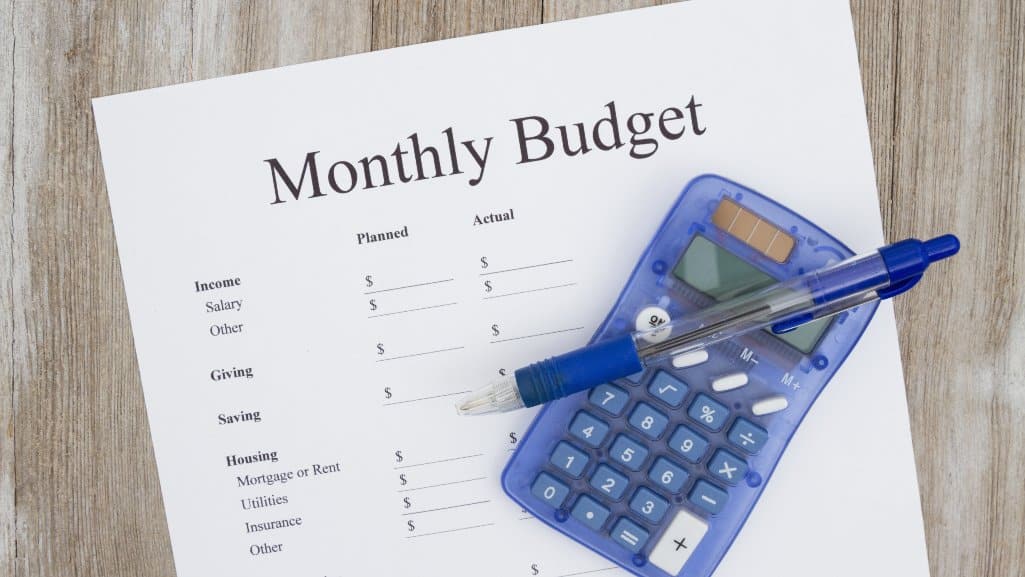
At People Driven Credit Union, we like budgets for one simple reason: they help you stay in control. A budget isn’t about saying “no” to everything. It’s about saying “yes” to the things that matter most, without the stress.
How to Make a Budget (PDCU-Style: Simple, Practical, and Realistic)
Step 1: Pick your goal first (your budget needs a purpose)
Budgets stick when they’re attached to a real goal. Choose one to start:
- Build an emergency fund
- Pay down credit card debt
- Save for a home improvement project
- Make the holidays less expensive next year
- Stop wondering where your money went
Step 2: Add up your monthly take-home income
Use your typical monthly net income (after taxes). If your income varies, base your budget on a “safe” month. You can always add extra dollars later, just don’t plan on money that might not show up.
Step 3: List your essentials (the non-negotiables)
Start with the expenses you must pay each month:
- Housing (rent/mortgage)
- Utilities
- Insurance
- Transportation (car payment, gas, transit)
- Groceries
- Minimum loan and credit card payments
Step 4: Track what you actually spend (not what you hope you spend)
Look at the last 30–60 days of transactions. This step is where the budget becomes real. Pay special attention to:
- Dining out and coffee runs
- Subscriptions and app charges
- Online shopping
- Convenience fees and delivery
Tip: If you don’t want to track everything forever, track closely for one month. That’s usually enough to spot patterns.
Step 5: Choose a budget method that fits your life
There’s no single “right” way. Here are three that work well:
- 50/30/20: 50% needs, 30% wants, 20% saving/debt payoff
- Zero-based budget: every dollar has a job (income minus expenses equals zero)
- Digital envelope system: set category limits and separate savings for goals
Step 6: Plan for non-monthly expenses (so they don’t blow up your month)
Set aside a little each month for predictable “surprises,” like:
- Car repairs and maintenance
- Gifts and holidays
- Annual bills and subscriptions
- Back-to-school expenses
- Medical copays and prescriptions
Step 7: Automate the basics so your budget runs itself
This is the secret sauce. When you automate the important stuff—like savings—your budget becomes easier to follow. Even small, consistent transfers can add up over time.
Grab the Free Printable Budget Worksheet
Want a simple place to put all the numbers before you start tweaking categories? Download our printable worksheet, fill it out, and keep it somewhere you’ll actually look at it (fridge counts—no judgment).
Download: PDCU Printable Budget Worksheet (PDF)
Tip: In WordPress, upload the PDF to Media Library, copy the file URL, and paste it into the button link above.
A Simple Budget Starter Template
Use this as a quick first pass and adjust as you go:
- Income: $_____
- Essentials: $_____
- Debt payments (minimums + extra): $_____
- Savings + sinking funds: $_____
- Wants: $_____
Common Budget Mistakes (and how to fix them)
- Being too strict: A budget with zero fun rarely lasts. Build in breathing room.
- Forgetting irregular expenses: Add sinking funds so “surprises” don’t become emergencies.
- Not checking in: A quick weekly review keeps small problems from becoming big ones.
- Trying to be perfect: The goal is progress and consistency, not perfection.
Make Budgeting Easier with PDCU Tools
One of the best ways to stick to a budget is to make it easier to follow day-to-day. With the right accounts and habits in place, you can separate spending money from savings, set reminders, and keep an eye on progress without overthinking it.
Budgeting Made Simple at People Driven Credit Union
If you’re ready to build a budget you can actually stick with, start with a few small setup moves:
- Checking + Debit Card: Use your checking account for everyday spending so you can track purchases and manage your balance.
- “Bucket” Savings: Create separate savings goals (emergency fund, car repairs, holiday spending) so your money has a clear job.
- Auto Transfers: Set up automatic transfers to savings—even small amounts—to build consistency.
- Account Alerts: Turn on balance and transaction alerts to help avoid surprises.
Want a hand getting started? Contact our team and we’ll help you choose a setup that fits your goals.
Contact Us
Disclosure: This article is for educational purposes only and is not financial advice. Consider your personal situation and consult a qualified professional for guidance.