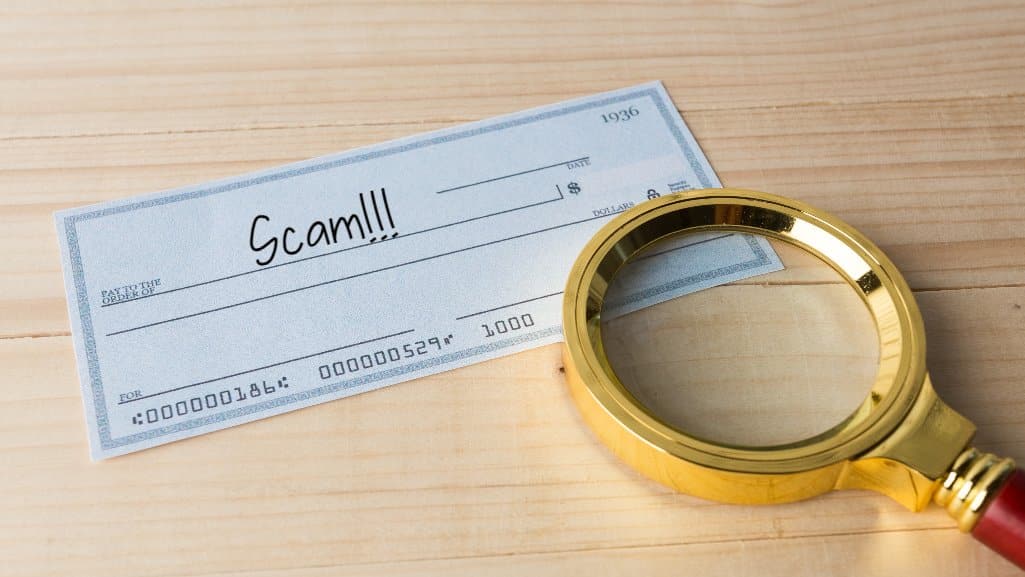
Check fraud is on the rise, and it’s hitting closer to home than you might think. From “washed” checks stolen from mailboxes to fake refund scams and forged mobile deposits, criminals are targeting everyday people with clever schemes that put both your finances and the credit union at risk.
Understanding the rise of fraudulent checks is essential in today’s financial climate.
It’s important to recognize the signs of fraudulent checks to protect yourself and your finances.
What Is Check Fraud?
Fraudsters employ a range of tactics to deceive individuals into depositing fake or altered checks, often to access their accounts, launder money, or directly steal funds from financial institutions. Some of these scams are so convincing that even seasoned professionals can be fooled. Be vigilant about the potential for fraudulent checks.
Being aware of fraudulent checks can save you from significant financial trouble.
Understanding how to detect fraudulent checks is crucial in avoiding financial losses caused by scam artists.
Common Types of Check Fraud
- Washed Checks – Thieves steal a real check from the mail and chemically erase the payee or amount, replacing it with their own.
- Fake Checks – Often tied to job offers, “secret shopper” gigs, or surprise refunds. These may look official, but are entirely bogus.
- Fraudulent Mobile Deposits – Scammers send pictures of checks with typed endorsements, not original documents.
- Treasury Check Fraud – These counterfeit government checks take longer to bounce, making them riskier for both the member and the credit union.
Think Before You Deposit
Always verify the legitimacy of checks to avoid falling victim to fraudulent checks.
Here’s the truth: if you deposit a fake or fraudulent check, you’re responsible for any losses. Even if it “clears” at first, it can be reversed days or weeks later after the money is long gone.
We’ve seen scammers direct victims to open new credit union accounts using fake checks. Others claim to have received a direct deposit when it was a mobile-deposited check disguised as one.
If you don’t know the person or company that sent the check, don’t deposit it.
How to Spot a Suspicious Check
- Use the TCVS verification tool in Source to check the payee information
- Look for inconsistent fonts, mismatched colors, or spelling errors
- Be wary of checks that arrive unexpectedly, especially with instructions to send money back
Not sure? Ask a PDCU team member. We see checks every day, and we’d rather help you double-check than see you become a victim.
Report any suspected fraudulent checks immediately to protect your finances.
Help Us Fight Back
Fraud doesn’t just hurt individuals. In many cases, funds from these scams go on to support serious crimes like terrorism and human trafficking. Stopping one fake check could help prevent something much bigger.
Each fraudulent check reported helps combat larger networks of fraud.
If you suspect check fraud or receive a suspicious check, report it to IC3.gov. The more data law enforcement has, the better they can investigate and prevent these crimes.
Protect Yourself and Your Community
When it comes to your financial safety, there’s no such thing as being too cautious. Use secure mailboxes, opt for electronic payments when possible, and never deposit a check from someone you don’t know and trust.

John Scharff is the Digital Marketing Lead at People Driven Credit Union, where he helps create clear, practical financial content for members and the communities PDCU serves. He focuses on making financial topics easier to understand, from loans and savings accounts to digital banking, fraud prevention, and everyday money management.
View More Posts