Scammers are constantly changing their tactics, but most scams follow the same pattern. They create urgency, build trust, and try to get your money or personal information before you have time to think.
Knowing the warning signs can help you avoid becoming a victim.
10 Scams to Watch for
Here are 10 of the most common scams to watch for, along with the red flags that can help you spot them.

1. Phishing Scams
Phishing scams usually arrive through email, text message, or fake websites. The scammer impersonates your credit union, a business, or another trusted organization.
How It Works
- You receive a message that appears legitimate.
- The message asks you to click a link or provide personal information.
- The scammer steals your login credentials or account information.
Red Flags
- Urgent or threatening language
- Unexpected messages
- Links or attachments you weren’t expecting
- Poor spelling or grammar
Remember: Scammers want your information. Don’t give it to them.
2. Imposter Scams
Imposter scams happen when someone pretends to be a trusted organization, government agency, business, or even your credit union.
How It Works
- The scammer contacts you claiming to represent a trusted source.
- They create a sense of urgency or claim there’s a problem.
- They ask for personal information, passwords, or money.
Red Flags
- Requests for account numbers, passwords, or Social Security numbers
- Pressure to act immediately
- You did not initiate the contact
Tip: Hang up and contact the organization directly using a phone number from its official website.
3. Smishing Scams
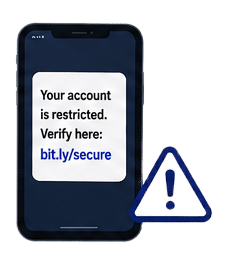
Smishing is phishing conducted through text messages.
How It Works
- You receive a text that appears to come from a trusted company.
- The message contains a link asking you to verify information.
- The link steals your information or installs malware.
Red Flags
- Unexpected text messages
- Shortened or suspicious links
- Requests for personal information
- Spelling or grammar mistakes
Remember: Don’t click. Don’t reply. Delete suspicious texts.
4. Vishing Scams
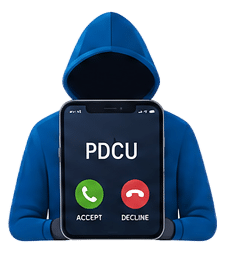
Vishing scams happen over the phone.
How It Works
- A scammer calls pretending to be from your credit union or another trusted organization.
- They claim there is an issue with your account.
- They ask for sensitive information or request that you move money.
Red Flags
- Caller ID that appears legitimate but may be spoofed
- Threats or urgency
- Requests for account information, passwords, or security codes
- You didn’t place the call
Tip: Hang up and call the organization directly using a trusted phone number.

5. Online Shopping Scams
Online shopping scams often involve fake stores, counterfeit products, or deals that seem too good to be true.
How It Works
- You find a great deal online or through social media.
- You pay or provide personal information.
- You never receive the product, or the item is fake.
Red Flags
- Extremely low prices
- No reviews or contact information
- Pressure to purchase immediately
- Requests for unusual payment methods
Tip: Shop with trusted retailers and use a credit card for added purchase protection.

6. Prize and Sweepstakes Scams
If someone says you’ve won a prize but asks for money first, it’s almost certainly a scam.
How It Works
- You are told you’ve won a prize or sweepstakes.
- The scammer requests payment for fees or taxes.
- You send money and never receive a prize.
Red Flags
- You never entered a contest
- Requests for upfront payments
- Vague prize details
- Requests for personal information
Remember: Real prizes don’t require payment.

7. Social Media Scams
Scammers use social media platforms to impersonate friends, create fake profiles, and promote fraudulent offers.
How It Works
- A scammer contacts you or interacts with your posts.
- They build trust or create urgency.
- They ask for money or personal information.
Red Flags
- New or suspicious profiles
- Offers that seem too good to be true
- Requests for money
- Emotionally charged or urgent messages
Tip: Think before you click, share, or respond.
8. Government Impersonation Scams
Scammers may pretend to represent the IRS, Social Security Administration, law enforcement, or another government agency.
How It Works
- The scammer claims you owe money, taxes, or fines.
- They threaten arrest or legal action.
- They demand immediate payment.
Red Flags
- Threats of arrest or deportation
- Pressure to pay immediately
- Requests for payment via gift cards, cryptocurrency, or wire transfers
- You did not contact the agency first
Remember: Government agencies do not call demanding immediate payment.
9. Fake Check Scams
Fake check scams can target online sellers, job seekers, and anyone receiving unexpected payments.
How It Works
- You receive a check for more than you’re owed.
- The sender asks you to deposit it and return part of the money.
- The check is later returned unpaid, leaving you responsible for the loss.
Red Flags
- Overpayments
- Requests to send money back
- Urgent offers or pressure
- Poor communication or suspicious instructions
Tip: Verify checks before using the funds and never send money back to strangers.

10. Investment Scams
Investment scams often promise extraordinary returns with little or no risk.
How It Works
- The scammer promises guaranteed profits.
- They pressure you to invest quickly.
- They take your money and disappear.
Red Flags
- Guaranteed returns
- Pressure to act immediately
- Complex or unclear investment details
- Unregistered investment opportunities
Remember: Every investment carries risk. If it sounds too good to be true, it probably is.
How to Protect Yourself
- Never share passwords, security codes, or online banking credentials.
- Verify unexpected requests by contacting the organization directly.
- Be cautious of urgent requests for money or information.
- Monitor your accounts regularly.
- Use strong passwords and multifactor authentication when available.
- Trust your instincts. If something feels off, stop and verify.
Think You’ve Encountered a Scam?
If you believe you’ve been targeted by a scam or have concerns about suspicious activity involving your accounts, contact People Driven Credit Union right away. Acting quickly can help protect your money and personal information.
The best defense against fraud is staying informed. By recognizing these common scams and their warning signs, you can help keep yourself, your family, and your finances safe.

John Scharff is the Digital Marketing Lead at People Driven Credit Union, where he helps create clear, practical financial content for members and the communities PDCU serves. He focuses on making financial topics easier to understand, from loans and savings accounts to digital banking, fraud prevention, and everyday money management.
View More Posts