After more than 230 years, the United States Mint has stopped producing new pennies. This marks the end of the penny as the last circulating one-cent coins were pressed in November 2025. Pennies are still legal to use, and there are billions already in circulation, but no new ones are being made.
What the End of Penny Production Means for Your Wallet (and Your Coin Jar)
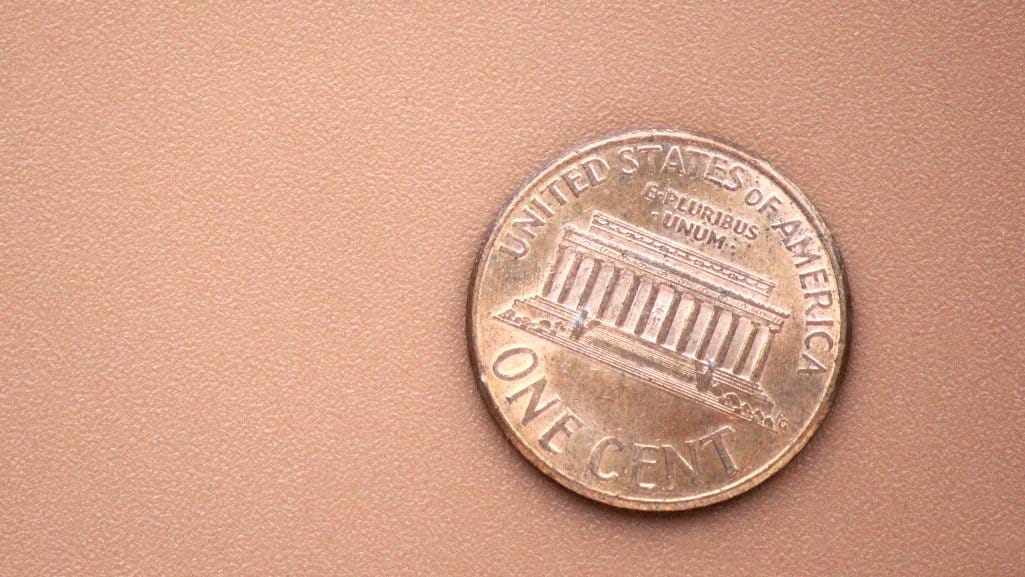
So what does that actually mean for your everyday spending, those $19.99 price tags, and the giant jar of coins sitting in your kitchen or basement? Let’s break it down in simple terms.
Why the U.S. Stopped Making Pennies
The short answer: they’re expensive and not very useful anymore.
- They cost more than they’re worth. According to recent reports from the U.S. Mint, it costs well over one cent—closer to four cents—to manufacture and distribute each penny.
- Most of us don’t really use them. Many pennies end up in jars, drawers, and car cupholders instead of circulating in the economy.
- Digital payments are taking over. More purchases are happening with debit cards, credit cards, and payment apps. That makes exact “penny” change less critical in everyday life.
With production costs rising and usage declining, the government finally decided it no longer made sense to keep minting new pennies for everyday circulation.
Will Prices Go Up Without Pennies?
This is the first thing most people worry about: “If there are no pennies, won’t everything just get rounded up and cost more?”
Here’s the reassuring news: in other countries that got rid of their lowest-value coin (like Canada, Australia, and New Zealand), prices did not suddenly spike. Instead, cash transactions started using simple rounding rules.
While the U.S. is still working through the details, those other countries used a system like this for cash purchases only:
- Totals ending in .01 or .02 round down to .00
- Totals ending in .03 or .04 round up to .05
- Totals ending in .06 or .07 round down to .05
- Totals ending in .08 or .09 round up to .10
Over many transactions, it tends to balance out—sometimes you gain a couple of cents, sometimes you lose a couple of cents. Studies from other countries have found that the impact on consumers is basically pennies (literally).
Important: This kind of rounding usually applies to cash totals only. When you pay with a debit card, credit card, or electronic transfer, your purchase can still be charged to the exact cent.
What Happens to $19.99 and Other “.99” Prices?
Don’t expect $19.99 to disappear anytime soon.
Those “.99” and “.95” prices exist because of psychology, not because we had a one-cent coin. People tend to see $19.99 as closer to “19” than “20,” and retailers know that. That’s called “charm pricing,” and it’s been around for a long time.
Here’s what’s likely going to happen:
- Price tags will still show cents. You’ll still see $4.99, $9.99, and $19.99 on shelves and online.
- Electronic payments stay exact. If you pay with card or digitally, you’ll still be charged $19.99—no rounding needed.
- Cash totals may be rounded at the very end. If the U.S. follows other countries, your final total at the register for cash purchases may round to the nearest five cents.
So no, the end of penny production does not mean every price suddenly becomes $20.00. It just changes how we make change when cash is involved.
What Should You Do with Your Pennies?
Now for the practical question: what about the jars, buckets, and coffee cans full of pennies?
Pennies are still legal tender, and they still add up. Here are your main options:
- Use a coin-counting machine. If you’re a People Driven Credit Union member, you can bring mixed coins—no sorting, no paper rolls—and let our coin machines do the counting for you.
- Spend them gradually. If you’re not near a coin machine, you can still use self-checkout lanes or coin-accepting kiosks to feed in small amounts at a time.
- Save a few as keepsakes. You might want to keep a couple of pennies from meaningful years—birth years, anniversaries, or one of the final 2025-dated pennies—as souvenirs.
At People Driven Credit Union, you don’t need to roll coins to deposit them. Just pour them into the machine and let the technology do the work.
How People Driven Credit Union Can Help with Your Coin Jar
If you’re ready to turn loose change into real progress on your financial goals, People Driven Credit Union can help.
We have coin-counting machines available at four of our five branch locations:
Coin-counting is free for People Driven Credit Union members. Bring in your mixed coins, pour them into the machine, and get a printed total—no sorting or rolling required.
Our Romeo Branch does not currently have a coin machine, but our team there is happy to help you explore other options for depositing or exchanging your coins through People Driven Credit Union.
Availability of coin-counting services, and any applicable terms for non-members, may change over time. For the latest details, please visit our
Locations & Hours page or contact your local branch.
Once your coins are counted, you can:
- Deposit the funds into a savings account and start building your emergency fund.
- Make an extra payment toward a loan or credit card balance.
- Set aside a “fun money” amount for something small and guilt-free—and save the rest.
Tips for Navigating a Future with Fewer Pennies
Here are a few simple ways to adjust as pennies fade out of everyday life:
- Use electronic payments when possible. Paying with your debit card, credit card, or bill-pay tools helps you avoid any questions about rounding and keeps your transactions exact.
- Don’t stress over a cent or two. Rounding on cash purchases is designed to be fair over time. Focus on the big picture items that impact your budget: housing, transportation, debt payments, savings, and everyday spending habits.
- Turn small change into real progress. A jar of coins may not feel like much, but it can be a great starting point for a new savings goal or an extra payment on a bill.
- Teach kids about money. The end of penny production is a perfect conversation starter with children or teens about inflation, saving, and how our money system works.
We’re Here to Help
Whether you’re feeding a jar through a coin machine, cleaning out the car’s cupholders, or just trying to make sense of how changes in currency affect your wallet, People Driven Credit Union is here for you.
If you have questions about depositing coins, opening a savings account, or building a plan for your money, stop by any branch or
contact us. We’ll help you turn loose change—and every other dollar—into something that moves you forward.
This article is for informational purposes only and should not be considered legal, tax, or investment advice.