After more than 230 years, the United States Mint has stopped producing new pennies. The last circulating one-cent coins were pressed in November 2025. Pennies are still legal to use, and there are billions already in circulation, but no new ones are being made. With the end of penny production, many consumers are wondering how it will affect daily transactions and what to do with the loose change they already have.
What the End of Penny Production Means for Your Wallet and Your Coin Jar
The end of penny production brings a few practical changes for consumers and businesses. It also creates a good reason to finally deal with that jar, bucket, or coffee can full of coins at home.
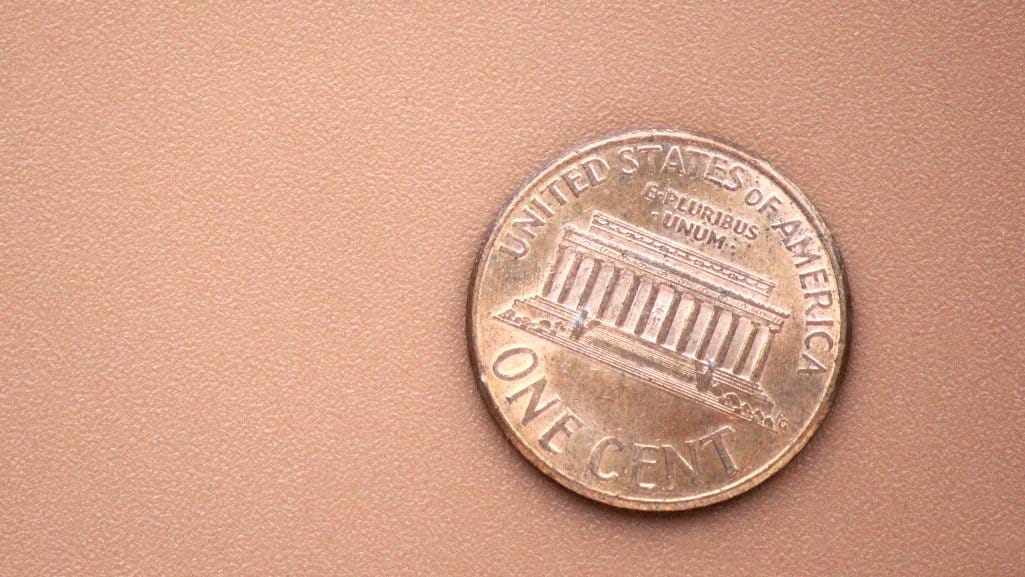
So what does that actually mean for everyday spending, those $19.99 price tags, and the giant jar of coins sitting in your kitchen or basement? Let’s break it down.
Why the U.S. Stopped Making Pennies
The short answer: they cost more to make than they are worth, and consumers use them less than they used to.
- They cost more than one cent to produce. Recent reports from the U.S. Mint show it costs several cents to manufacture and distribute each penny.
- Many pennies do not stay in circulation. They often end up in jars, drawers, cupholders, and coin buckets instead of being used in everyday transactions.
- Digital payments are more common. Debit cards, credit cards, mobile wallets, and payment apps make exact penny change less important for many purchases.
With production costs rising and penny use declining, the government stopped minting new pennies for everyday circulation.
Will Prices Go Up Without Pennies?
This is the first thing many people worry about: “If there are no new pennies, won’t everything just get rounded up?”
In other countries that eliminated their lowest-value coin, prices did not suddenly spike. Instead, cash transactions began using simple rounding rules.
While the U.S. may handle this differently, other countries have used rounding rules like this for cash purchases only:
- Totals ending in .01 or .02 round down to .00
- Totals ending in .03 or .04 round up to .05
- Totals ending in .06 or .07 round down to .05
- Totals ending in .08 or .09 round up to .10
Over time, this usually balances out. Sometimes a cash total rounds down. Sometimes it rounds up.
Important: Rounding typically applies to cash totals only. When you pay with a debit card, credit card, or electronic transfer, your purchase can still be charged to the exact cent.
What Happens to $19.99 and Other “.99” Prices?
Don’t expect $19.99 to disappear anytime soon.
Those “.99” and “.95” prices exist because of pricing psychology, not because we had a one-cent coin. Retailers use them because many shoppers read $19.99 as feeling closer to $19 than $20.
Here’s what will likely continue:
- Price tags will still show cents. You will still see prices like $4.99, $9.99, and $19.99.
- Electronic payments can stay exact. If you pay by card or digitally, you can still be charged the exact amount.
- Cash totals may be rounded at the end. If rounding rules are used, they would likely apply to the final cash total, not each individual item.
The end of penny production does not mean every $19.99 item becomes $20.00. It mainly changes how cash change may be handled.
What Should You Do with Your Pennies?
Now for the practical question: what should you do with jars, buckets, and coffee cans full of pennies?
Pennies are still legal tender, and they still add up. Here are a few options:
- Deposit rolled coins at People Driven Credit Union. PDCU branches continue to accept rolled coins for deposit. Simply sort your coins by denomination, place them in the appropriate coin wrappers, and bring them to a branch.
- Spend them gradually. You can still use pennies where they are accepted, including some self-checkout lanes or coin-accepting kiosks.
- Save a few as keepsakes. You may want to keep pennies from meaningful years, such as birth years, anniversaries, or final production years.
Important update: People Driven Credit Union is discontinuing coin-counting machines at all branch locations effective November 1, 2026. While the machines will no longer be available, members can continue depositing rolled coins at PDCU branches. Learn more about the discontinuation of coin-counting machines and your options for depositing coins.
How People Driven Credit Union Can Help with Your Coin Jar
If you are ready to turn loose change into something useful, People Driven Credit Union can still help.
Although our coin-counting machines are being discontinued, all People Driven Credit Union branches will continue accepting rolled coins for deposit.
Before visiting a branch, follow these simple steps:
- Sort your coins. Separate your pennies, nickels, dimes, and quarters by denomination.
- Roll your coins. Place each denomination into the appropriate coin wrapper. Standard rolls contain 50 pennies ($0.50), 40 nickels ($2.00), 50 dimes ($5.00), or 40 quarters ($10.00).
- Visit a PDCU branch. Bring your rolled coins to any People Driven Credit Union branch for deposit.
- Put your change to work. Deposit the value of your rolled coins into your account and consider putting the money toward a savings goal.
If you have questions about preparing or depositing rolled coins, our branch team can explain the process before your visit.
Visit our Locations & Hours page to find your nearest branch and review branch hours.
Once your coins are deposited, you can:
- Build your savings. Add the funds to a PDCU savings account and start working toward your next financial goal.
- Make an extra payment. Consider putting the money toward a loan or credit card balance.
- Save for something special. Use your collected change to help cover a future purchase, holiday expense, or unexpected cost.
Tips for Navigating a Future with Fewer Pennies
Here are a few simple ways to adjust as pennies become less common in everyday transactions:
- Use electronic payments when possible. Paying with your debit card, credit card, or digital wallet helps keep transactions exact.
- Understand cash rounding. If a retailer uses cash rounding, review your final transaction total. Depending on the amount, the total may round up or down.
- Organize your loose change. Rather than letting coins pile up, sort and roll them periodically so they are ready to deposit at your local PDCU branch.
- Turn small change into real progress. A jar of coins may not feel like much, but it can be a helpful start for a savings goal or an extra payment.
- Teach kids about money. The end of penny production is a useful conversation starter about saving, inflation, currency, and how money changes over time.
We’re Here to Help
The end of penny production may change how we use cash, but your pennies still have value. Whether you’re cleaning out your coin jar, teaching your kids about saving, or preparing rolled coins for deposit, People Driven Credit Union is here to help.
Remember, coin-counting machines are being removed from PDCU branches effective November 1, 2026, but rolled coin deposits will continue to be accepted. For details about this change, read our coin-counting machine discontinuation announcement.
If you have questions about depositing rolled coins, opening a savings account, or building a plan for your money, stop by any branch or contact us.
This article is for informational purposes only and should not be considered legal, tax, or investment advice.

John Scharff is the Digital Marketing Lead at People Driven Credit Union, where he helps create clear, practical financial content for members and the communities PDCU serves. He focuses on making financial topics easier to understand, from loans and savings accounts to digital banking, fraud prevention, and everyday money management.
View More Posts