Most first-time buyers budget carefully for their down payment. However, it can be difficult to budget for other costs that are less simple to predict. The hidden costs for first-time homebuyers can crop up well before closing day, and they may continue to arise after you move in. Many of these costs are small on their own, but they can add up quickly, especially taking into consideration that many people’s savings are at their lowest in the weeks and months after buying a home.
Knowing each cost ahead of time lets you plan ahead. Here are some potential expenses to be aware of before closing, at the closing table, and in your first year as a homeowner.
Potential Hidden Costs Before Closing
Earnest Money
When your offer is accepted, you’ll usually put down an earnest money deposit to show the seller that you’re serious about buying the home. This money is credited toward your purchase at closing, so it isn’t an extra cost; however, it may arise earlier than anticipated, and if you back out of the sale for a reason that your purchase agreement doesn’t cover, you could lose this money altogether.
Home Inspection
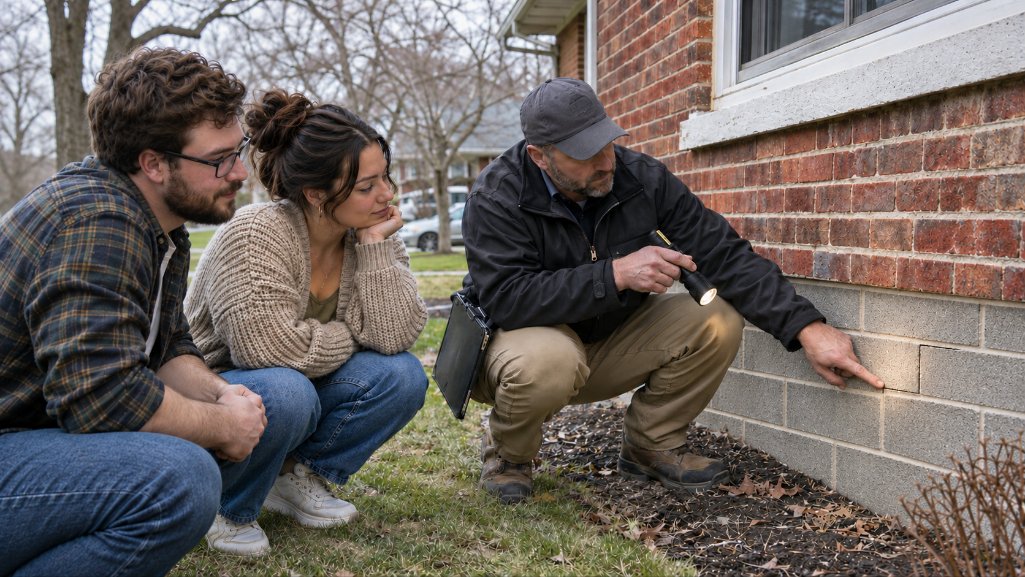
A home inspection is optional, but skipping it can cost you far more down the line. You’ll typically pay the inspector directly at the time of the inspection. If the inspector flags a concern with the home, such as a problem with the roof, the foundation, or the sewer line, you may also need to pay for a specialist to take a closer look.
Appraisal Fee
Your lender will generally order an appraisal to confirm that your potential future home is worth what you’ve agreed to pay for it. However, because buyers often pay this fee early in the homebuying process, the subsequent appraisal fee is due whether or not the sale actually goes through.
Hidden Closing Costs Beyond Your Down Payment
Closing Costs
Closing costs are usually about 2% to 5% of the purchase price. They cover services such as the appraisal, title insurance, and lender fees. Within three business days of applying, your lender is federally required to send a Loan Estimate that breaks these costs down line by line, so you have time to plan for any extra costs before closing.
Prepaid Interest and Escrow Deposit
Some closing costs aren’t fees at all; they’re payments made in advance, which is why they might catch people off guard. Prepaid interest, for example, is a payment that covers your loan’s interest from the closing date through the end of that month.
Your lender may also collect something called an initial escrow deposit. An escrow account contains the money that’s used to pay for your property taxes and homeowners insurance, and your lender pays those bills from it when they come due. However, because the account is initially empty, it must be filled with a deposit to make sure there’s enough in the account to cover the first bills, plus a small cushion. It isn’t a fee, since the money is still yours, but it may increase the cost of closing.
Mortgage Insurance
For a conventional loan, putting down less than 20% usually means you will also pay for private mortgage insurance (PMI). PMI protects the lender, not you, and it’s added to your monthly payment. FHA loans have their own mortgage insurance with different rules. If you’re constrained by a small down payment, People Driven Credit Union’s Zero Down Purchase Program offers up to 100% financing with PMI waived for qualified borrowers.
The Michigan Property Tax Surprise for New Homeowners

This is the cost that surprises Michigan buyers most. Under Proposal A, the taxable value of a home can only rise by a limited amount each year while the same owner holds it. When the home sells, that limit resets. In the calendar year after your purchase, the home’s taxable value uncaps and moves up to its state equalized value, which is tied to the home’s current market value.
If the seller owned the home for many years, the gap between their capped value and the current value can be significant. That means the tax amount shown on a listing can understate what you’ll be required to pay. Before you make an offer, you can ask your agent or the local assessor’s office what the taxes would be once the value uncaps.
Hidden Costs After You Move In
Repairs and Maintenance
Even a well-inspected home will need repairs eventually. A water heater, a furnace, or an appliance can fail in your first year, and without a landlord to call, that expense will fall on you. A common rule of thumb is to set aside about 1% of the home’s value each year for maintenance. Your actual costs will depend on the home’s age and condition.
Moving, Utilities, and Setup

Moving costs can add up quickly. New utility accounts can require deposits or connection fees. You may also need basics you never bought as a renter, such as a lawn mower, a snow shovel, or window coverings. If the home is part of an association, monthly or annual HOA fees will add to your housing costs.
How First-Time Homebuyers Can Budget for Hidden Costs

Start by reading your Loan Estimate closely and asking about any line you don’t understand. Check the home’s state equalized value with the assessor so you can estimate your post-sale taxes. Then plan to keep a cash cushion after closing instead of putting every dollar toward the down payment.
If you’re still working out a price range, our guide to how much house you can afford walks through the budgeting math. Once you’re under contract, it also helps to know how long it takes to close on a house, since several of these costs are tied to the closing timeline.
Frequently Asked Questions About Hidden Homebuying Costs
Plan for closing costs of 2% to 5% of the purchase price, plus your inspection and appraisal fees. It’s also wise to keep an emergency fund after closing for early repairs. Your Loan Estimate shows the closing costs specific to your loan.
Sometimes. Some loan programs allow certain closing costs to be financed, and sellers occasionally agree to pay part of them. A mortgage loan officer can tell you which options apply to your loan.
In Michigan, a home’s taxable value uncaps in the year after it sells. The seller’s taxes were based on a capped value that may have fallen well below the home’s current worth. Yours will be based on the current value.
No, not on a conventional loan. You can generally ask to cancel PMI once your loan balance reaches 80% of the home’s original value, and it’s typically removed automatically at 78% of the original value if your payments are current. FHA mortgage insurance follows different rules.

Talking through these costs before you start shopping makes the rest of the process easier. Connect with a mortgage loan officer to see what buying a home in Michigan will cost you, and get pre-approved before you make your first offer. Membership and eligibility requirements apply.
Disclosures
This is not a commitment to lend. All lending products are subject to credit and property approval. People Driven Credit Union partners with Member First Mortgage for mortgage loan origination. Member First Mortgage, LLC NMLS ID# 149532. Michelle Dzon NMLS ID# 401292. People Driven Credit Union NMLS #776727. Equal Housing Lender.